Authenticated Inventory
Every Piece Tells a Story.
AICA sources furniture, decorative arts, and collector objects from verified private estates and institutional holdings. Every piece on file, every record on request.
Many categories. One standard.
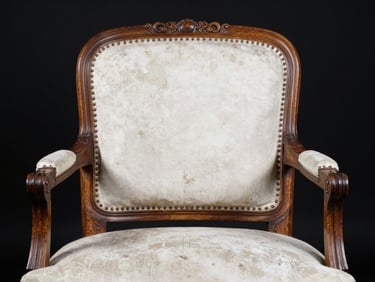
Period Furniture
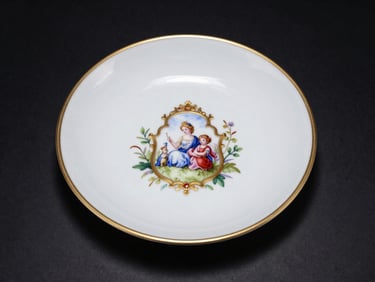
Decorative Arts
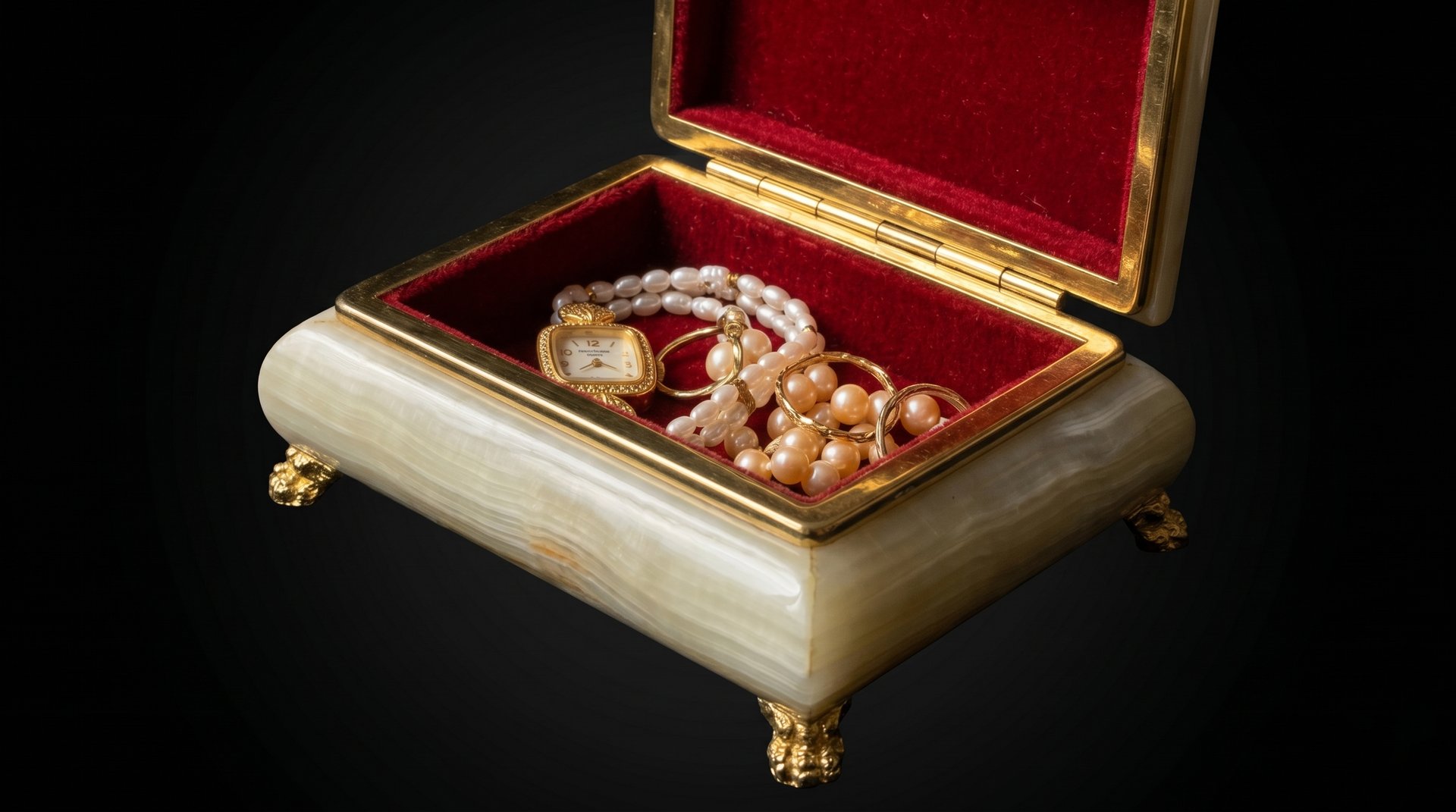
Collector Objects
Case pieces, seating, and tables from the 16th through early 20th century. Each acquisition carries maker attribution, era verification, and condition assessment.
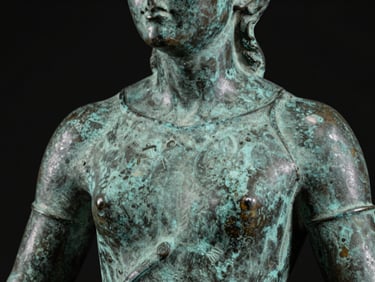
Scientific instruments, bronzes, works on paper, and singular objects with institutional acquisition histories. Scope expands for collectors with active era or category briefs.
Ceramics, silver, glass, and lacquerwork from documented European and Asian workshops. Provenance records accompany every transaction without exception.
Acquisition consulting, documented end to end.
Acquisition briefs define the era, category, and condition threshold. AICA draws from private estate networks and institutional disposal channels inaccessible to the open market.
Every candidate piece undergoes authentication review: physical examination, period attribution, and cross-reference against known maker records. Pieces that do not meet the standard are declined.
Accepted pieces receive a full documentation file: provenance chain, authentication report, and condition assessment. The file transfers to the buyer at transaction close.
Begin with an acquisition brief.
Submit your era, category, and condition requirements. AICA reviews every brief and responds by appointment.